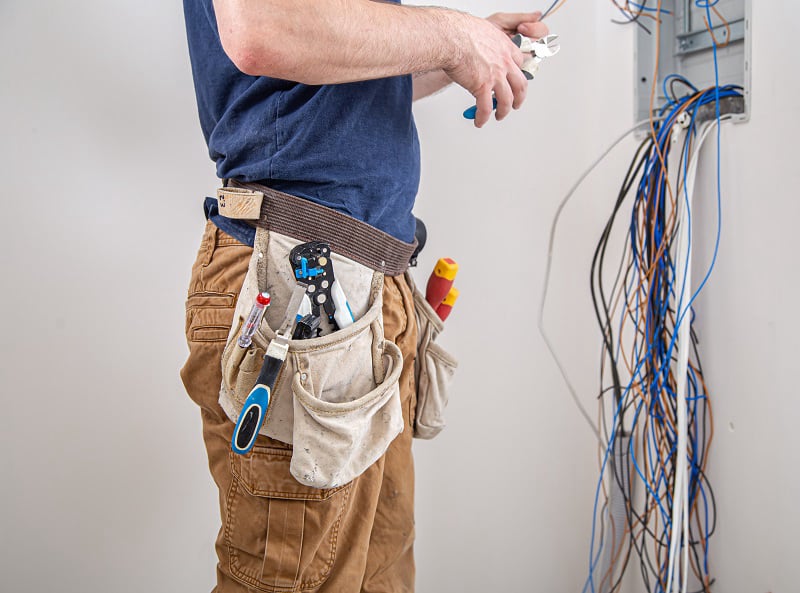
Old wiring and tripping circuit breakers are closely connected. Over time, wiring can deteriorate, become overloaded, or simply fail to meet the demands of modern electrical usage. Understanding this relationship is the first step toward identifying when your system may need an upgrade.
Why Old Wiring Becomes a Problem Over Time
Electrical wiring is not meant to last forever. Many older homes still rely on systems that were installed decades ago, long before today’s high-powered appliances and electronics became standard. As a result, these systems often struggle to keep up with current energy demands.
Over time, insulation around wires can crack or wear away, exposing the conductive material inside. This increases the risk of short circuits and electrical faults. In addition, older wiring systems may not include grounding features, which are essential for safely directing excess electricity away from your home.
When wiring deteriorates or becomes outdated, it places extra strain on the circuit breakers. This often leads to tripping circuit breakers, which is the system’s way of preventing overheating, fires, or other serious hazards.
How Tripping Circuit Breakers Signal Wiring Issues
Circuit breakers are safety devices designed to cut off electrical flow when a circuit becomes overloaded or a fault is detected. Occasional tripping is normal, especially when too many devices are used simultaneously. However, frequent or unexplained tripping circuit breakers can indicate deeper issues within your electrical system.
Old wiring is a common culprit behind these recurring problems. When wires cannot handle the electrical load, they heat up more quickly. This triggers the breaker to trip as a protective measure. In some cases, faulty connections or damaged insulation can cause intermittent faults, leading to unpredictable breaker activity.
Ignoring these warning signs can be risky. While resetting a breaker may restore power temporarily, it does not address the underlying issue. Persistent tripping circuit breakers should always be taken seriously, especially in older homes.
Signs Your Electrical System May Need an Upgrade
Recognizing when your wiring is outdated or failing is essential for maintaining a safe and functional home. There are several indicators that suggest it may be time to consider an upgrade.
Frequent tripping circuit breakers is one of the most obvious signs. If this happens regularly without a clear cause, it is likely that your system is struggling to handle your electrical needs. Flickering lights, especially when appliances are turned on, can also point to wiring problems.
Another sign is discolored outlets or a burning smell near electrical fixtures. These issues may indicate overheating wires behind the walls. In older homes, you might also notice two-prong outlets instead of modern three-prong ones, which often signals an outdated system lacking proper grounding.
If your home still uses fuse boxes instead of circuit breakers, or if the wiring is made from older materials such as aluminum, it is especially important to consider an upgrade. These systems are more prone to failure and may not meet current safety standards.
The Risks of Ignoring Old Wiring Problems
Delaying necessary upgrades can lead to serious consequences. Old wiring combined with tripping circuit breakers is more than just an inconvenience—it can pose significant safety risks.
One of the biggest concerns is the increased likelihood of electrical fires. Overloaded or damaged wires can generate excessive heat, which may ignite surrounding materials. Circuit breakers help reduce this risk, but they are not a complete solution if the underlying wiring is faulty.
There is also a risk of damage to your appliances and electronics. Unstable electrical currents caused by faulty wiring can shorten the lifespan of devices or cause sudden failures. In some cases, power surges may occur, leading to costly repairs or replacements.
Additionally, outdated wiring systems may not comply with modern electrical codes. This can become an issue if you plan to sell your home, as inspections may reveal the need for immediate upgrades.
Benefits of Upgrading Your Electrical System
Upgrading your wiring and electrical panel can significantly improve both safety and performance. One of the most immediate benefits is a reduction in tripping circuit breakers. A modern system is designed to handle higher electrical loads, making it more reliable for everyday use.
Improved safety is another major advantage. New wiring includes proper insulation and grounding, which help prevent electrical shocks and reduce fire risks. Modern circuit breakers are also more sensitive and responsive, providing better protection for your home.
An upgraded system can also enhance energy efficiency. With better distribution of electricity and fewer interruptions, your appliances can operate more effectively. This may lead to lower energy bills over time.
In addition, upgrading your electrical system can increase your property value. Potential buyers are more likely to feel confident in a home with a modern, safe, and efficient electrical setup.
When to Consider a Professional Inspection
If you are experiencing frequent tripping circuit breakers or suspect that your wiring may be outdated, it is important to seek professional advice. A licensed electrician can perform a thorough inspection of your system and identify any underlying issues.
During an inspection, the electrician will check the condition of your wiring, evaluate your electrical panel, and assess whether your system can handle your current energy usage. They may also recommend specific upgrades based on your home’s age and layout.
Even if you are not experiencing obvious problems, it is a good idea to have your electrical system inspected if your home is several decades old. Preventive measures can help you avoid more serious issues in the future.
Planning for an Electrical Upgrade
Upgrading your electrical system is a significant investment, but it is one that pays off in safety and reliability. The process typically involves replacing old wiring, installing a modern electrical panel, and ensuring that all components meet current safety standards.
Before starting, it is important to discuss your needs with a qualified electrician. They can help you determine the scope of the upgrade and provide an estimate of the costs involved. In some cases, upgrades can be done in stages to make the process more manageable.
It is also worth considering your future electrical needs. If you plan to add new appliances, install air conditioning, or incorporate smart home technology, upgrading your system now can help accommodate these changes without further modifications.