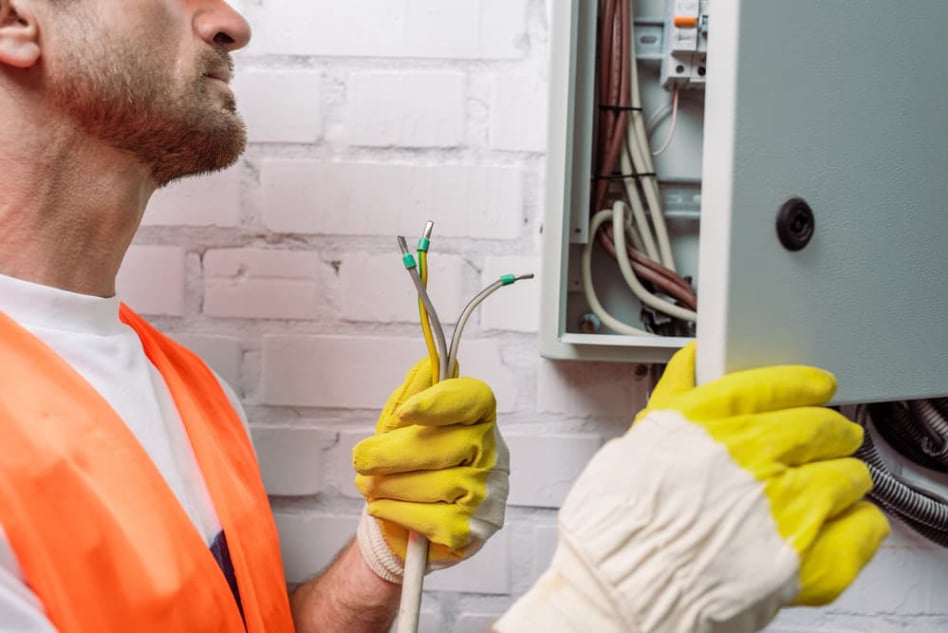
Understanding the hidden dangers of faulty wiring behind walls is crucial for maintaining a safe and efficient living environment. What cannot be seen can still cause significant damage, making awareness and prevention essential.
Why Faulty Wiring Often Goes Unnoticed
Faulty wiring behind walls is difficult to detect because it is concealed within the structure of a building. Unlike exposed outlets or switches, these wires are not part of everyday visual inspection. As a result, small issues such as loose connections, worn insulation, or outdated materials may remain unnoticed.
In many cases, the symptoms of faulty wiring are subtle at first. Occasional flickering lights, minor power fluctuations, or slightly warm walls may not immediately raise concern. However, these early warning signs often indicate deeper electrical problems that can worsen over time.
Another reason faulty wiring goes unnoticed is that many homeowners assume their electrical systems are functioning properly as long as devices are working. This false sense of security can delay necessary inspections and repairs, increasing the risk of serious consequences.
The Risk of Electrical Fires
One of the most significant dangers associated with faulty wiring behind walls is the risk of electrical fires. Damaged or poorly installed wires can generate excessive heat, especially when electrical current flows through them continuously. When wires overheat, they can ignite nearby materials such as wood, insulation, or drywall.
Because the wiring is hidden, fires caused by faulty wiring may start silently and spread before being detected. By the time visible signs such as smoke or flames appear, the fire may already be well-established, making it harder to control.
Electrical fires are particularly dangerous because they can occur without warning and spread rapidly through concealed spaces. This makes early detection and preventive maintenance critical for reducing the risk.
Damage to Appliances and Electronics
Faulty wiring does not only pose a fire hazard; it can also damage valuable appliances and electronic devices. Inconsistent electrical flow caused by poor wiring can lead to power surges or voltage drops, which can negatively impact sensitive equipment.
Devices such as televisions, computers, refrigerators, and air conditioning systems rely on stable electrical supply. When faulty wiring disrupts this stability, it can shorten the lifespan of these appliances or cause sudden failures.
In some cases, repeated exposure to unstable power may result in permanent damage, leading to costly replacements. This highlights the importance of ensuring that wiring systems are in good condition, even if no immediate problems are visible.
Health and Safety Concerns
Faulty wiring behind walls can also pose serious health and safety risks to occupants. Exposed or damaged wires may lead to electric shocks if they come into contact with metal surfaces or other conductive materials within the structure.
Additionally, overheating wires can release harmful fumes if insulation materials begin to degrade or burn. These fumes can affect indoor air quality and may cause respiratory issues, especially in poorly ventilated spaces.
The psychological impact of living in a potentially unsafe environment should not be overlooked either. Knowing that hidden electrical issues could pose a threat can create stress and anxiety for homeowners and their families.
Increased Energy Consumption
Another hidden consequence of faulty wiring is increased energy consumption. Damaged or inefficient wiring can cause electricity to be wasted as heat, reducing the overall efficiency of the electrical system.
When wiring is not functioning properly, appliances may require more power to operate, leading to higher energy bills. This inefficiency not only affects household expenses but also contributes to unnecessary energy usage.
Over time, these increased costs can add up significantly, making faulty wiring both a safety concern and a financial burden. Addressing wiring issues early can help improve energy efficiency and reduce long-term expenses.
Structural Damage to the Property
Faulty wiring can also contribute to structural damage within a building. Heat generated by damaged wires can weaken surrounding materials, including wooden beams and insulation. In severe cases, prolonged exposure to heat can cause charring or deterioration of structural components.
Moisture can further complicate the issue. If faulty wiring is exposed to damp conditions, it can lead to corrosion or short circuits. This combination of electrical and environmental factors can accelerate the deterioration of building materials.
Because this damage occurs behind walls, it may not be immediately visible. By the time it becomes apparent, repairs may be extensive and costly.
Common Causes of Faulty Wiring
Understanding what leads to faulty wiring can help in preventing it. One common cause is aging electrical systems. Older buildings often have wiring that no longer meets modern safety standards, making them more prone to issues.
Poor installation is another major factor. Wiring that is not installed correctly can lead to loose connections, improper grounding, and other problems that increase the risk of failure. Even minor mistakes during installation can have serious consequences over time.
Wear and tear also play a role. Over the years, wires can degrade due to heat, usage, and environmental conditions. Rodents and pests may also damage wiring by chewing through insulation, further increasing the risk.
Renovations and DIY electrical work can introduce additional risks if not done properly. Without proper knowledge and adherence to safety standards, modifications to electrical systems can create hidden hazards behind walls.
The Importance of Professional Inspection
Regular inspection by a qualified electrician is essential for identifying and addressing faulty wiring. Professionals have the tools and expertise needed to detect hidden issues without causing unnecessary damage to walls or structures.
An inspection can reveal problems such as overloaded circuits, outdated wiring, or potential fire hazards. Addressing these issues early can prevent more serious problems and ensure the safety of occupants.
Homeowners should consider scheduling inspections periodically, especially in older properties or after major renovations. Proactive maintenance is far more effective and less costly than dealing with emergencies.
Preventive Measures for Safer Living
Taking preventive measures can significantly reduce the risks associated with faulty wiring. Ensuring that all electrical work is performed by licensed professionals is one of the most important steps. Proper installation and adherence to safety codes can prevent many common issues.
Upgrading outdated wiring systems can also improve safety and efficiency. Modern materials and technologies are designed to handle higher electrical loads and provide better protection against hazards.
Paying attention to warning signs such as frequent circuit breaker trips, burning smells, or discolored walls can help in early detection. Prompt action in response to these signs can prevent more serious problems from developing.
Maintaining a safe electrical system requires awareness, regular maintenance, and a commitment to quality workmanship.